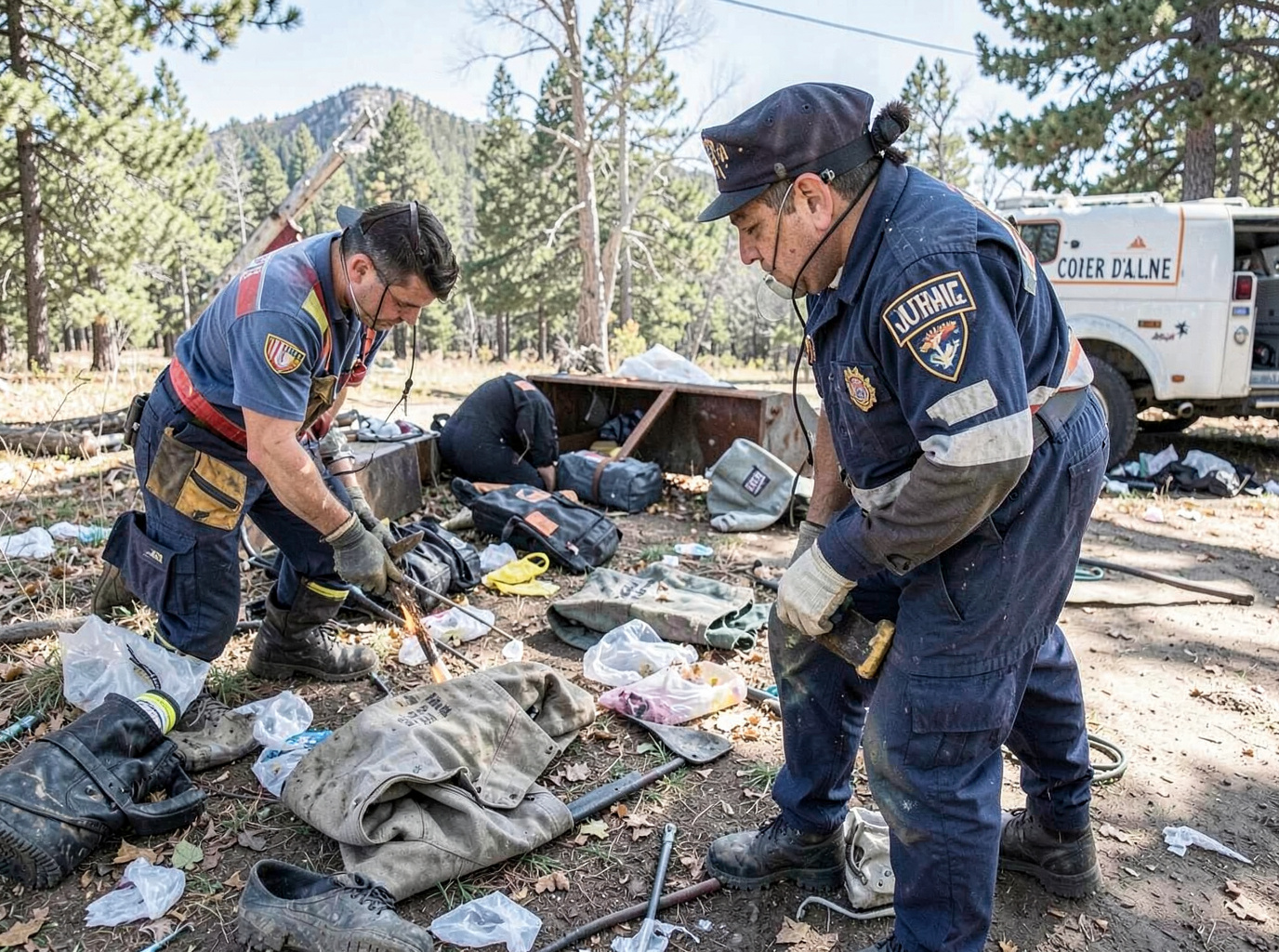
Trauma scenes in Coeur d'Alene often involve older single-family homes built before 1970 with hardwood floors and plaster walls that readily absorb blood and fluids. These materials require targeted removal rather than surface cleaning because fluids can migrate into subfloors and wall cavities, especially in homes near the lake where seasonal humidity slows drying. Technicians must follow OSHA bloodborne pathogen standards and Idaho waste transport rules when bagging and removing contaminated debris to approved disposal sites.
Edge cases include vehicles parked in driveways along Sherman Avenue or in neighborhoods like Sanders Beach where confined spaces trap odors in upholstery and carpet padding. Porous surfaces in these settings demand repeated treatments with enzyme-based neutralizers to break down proteins before any restoration work begins. Failure to address hidden saturation leads to persistent smells that return weeks later once temperatures fluctuate.
Homeowners sometimes attempt initial cleanup with household products, which can spread contamination or set stains permanently into laminate and vinyl flooring common in post-1990 builds around Hayden Lake. Professional crews document the scene condition before work starts and coordinate with property owners or managers on what can be salvaged versus what must be discarded under biohazard guidelines.
Technician insight
In Coeur d'Alene, the thing that catches most people out with Trauma Scene Cleanup is older homes with tongue-and-groove hardwood over crawlspaces. Fluids wick into the joists during winter when homes stay closed up, and you end up pulling more flooring than anyone expects once spring humidity hits.
Downtown Apartment After Incident
A one-bedroom unit near the Coeur d'Alene Resort required cleanup after an unattended death. Fluids had soaked through carpet into the original pine subfloor. Crew removed the affected sections, treated the joists, and ran air scrubbers for two days. The unit passed inspection and was ready for new flooring within 72 hours.
Trauma Scene Cleanup Services We Offer
✓Blood Stain Removal
Targeted extraction of dried and fresh blood from floors, walls, and furnishings using enzyme agents that break down proteins without damaging surrounding materials.
✓Bodily Fluid Cleanup
Removal of urine, vomit, and other fluids from carpets, mattresses, and vehicle interiors followed by antimicrobial treatment to reduce bacterial growth.
✓Odor Remediation
Application of industrial neutralizers and air scrubbing equipment to eliminate decomposition odors trapped in drywall, insulation, and HVAC systems.
✓Contaminated Material Disposal
Proper bagging, labeling, and transport of biohazard waste to permitted facilities in accordance with Kootenai County regulations.
✓Vehicle Trauma Cleanup
Full interior detailing of cars, trucks, and boats after incidents, including seat removal and trunk decontamination common in lake-area properties.
How it works
- 1
Initial Assessment
Technician arrives on site, evaluates scope of contamination, and identifies affected materials while maintaining privacy protocols.
- 2
Containment Setup
Barriers and negative air machines isolate the area to prevent cross-contamination to unaffected rooms or neighboring units.
- 3
Removal and Cleaning
Porous materials are removed, surfaces are treated with EPA-registered disinfectants, and fluids are extracted from subfloors where present.
- 4
Final Verification
Air quality checks and visual inspection confirm the space meets safety standards before turnover to the property owner.
Pricing
Cost depends on square footage affected, depth of saturation into subfloors, and whether vehicle or multi-room work is required.